
The Ultimate Guide to Crypto Margin Trading
Crypto Margin Trading is becoming an increasingly popular way for traders to amplify their profits in the volatile world of cryptocurrencies. As the digital currency market continues to grow and evolve, margin trading offers the opportunity for significant gains. However, it also comes with its own set of risks and challenges. Whether you’re a seasoned trader or just starting, understanding the nuances of Crypto Margin Trading is essential. For more insights, Crypto Margin Trading visit website and dive deeper into this exciting trading method.
What is Margin Trading?
Margin trading allows traders to borrow funds to increase their buying power. This means that you can trade with a larger position than your actual capital. In the context of cryptocurrency, margin trading enables you to leverage your investments, potentially leading to higher profits. However, margin trading is not without its pitfalls. Traders can also incur significant losses, which can exceed their initial investment.
How Does Crypto Margin Trading Work?
When engaging in Crypto Margin Trading, a trader typically deposits a certain amount of collateral (also known as margin) with a trading platform. This collateral acts as a safety net for the borrowed funds. The amount of leverage available depends on the platform’s policies and the market’s dynamics. For example, if a trader uses 10x leverage, they can open a position worth ten times their margin amount. If Bitcoin is trading at $10,000 and a trader wants to invest $1,000 with 10x leverage, they can control a position worth $10,000.
Types of Margin Trading
There are generally two types of margin trading: isolated margin and cross margin.
- Isolated Margin: In this method, you limit the amount of margin that can be used for a specific trade. If the trade goes against you, only the funds allocated to that trade are at risk.
- Cross Margin: This approach uses all available funds in your margin account to prevent liquidation. It helps to mitigate the risk of being forced to close your position due to a margin call, but it can also pose a greater risk because if a trade fails, all of your funds in that account are at risk.
Benefits of Crypto Margin Trading
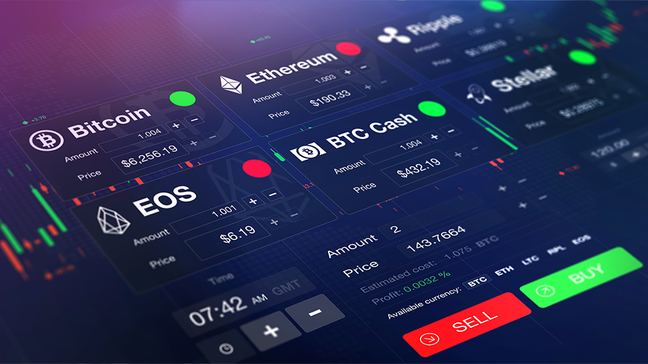
1. Leverage: One of the biggest advantages of margin trading is the ability to control larger positions. This leverage can lead to substantial profits if the market moves in your favor.
2. Short Selling: Margin trading allows you to sell assets that you do not own by borrowing them from the broker. This can be beneficial when you believe a cryptocurrency will decrease in value.
3. Flexibility: Many trading platforms offer different types of orders and customizable risk management tools to help traders adjust their strategies according to market movements.
Risks of Crypto Margin Trading
While margin trading offers opportunities for increased profits, it also carries significant risks:
1. Liquidation Risk: If the market moves against your position, your collateral may be liquidated to cover the loss. This can happen swiftly in the highly volatile crypto market.
2. Interest Costs: Borrowed funds incur interest costs, which must be factored into your trading strategy. The longer you hold a leveraged position, the more you pay.
3. Emotional Trading: Margin trading can lead to emotional decision-making, particularly during periods of high volatility. Traders may make irrational choices in an attempt to recover losses.
Strategies for Success in Crypto Margin Trading
To navigate the challenges of margin trading, traders should consider the following strategies:

1. Risk Management: Always implement stop-loss orders to limit potential losses. Determine in advance how much of your capital you are willing to risk on a single trade.
2. Stay Informed: Keep abreast of market trends, news, and events that may influence the price of cryptocurrencies. This knowledge can assist in making informed trading decisions.
3. Start Small: If you are new to margin trading, begin with smaller amounts to minimize risk while you learn and gain experience in the market.
Choosing a Margin Trading Platform
When selecting a platform for Crypto Margin Trading, consider the following factors:
1. Reputation: Opt for a reputable platform with a track record of reliability and positive reviews from its users.
2. Leverage Options: Different platforms offer varying leverage options. Choose one that aligns with your risk tolerance and trading strategy.
3. Fees: Review the trading fees and interest rates on borrowed funds. A platform with lower fees can significantly impact your profitability.
Conclusion
Crypto Margin Trading presents a significant opportunity for traders to amplify their profits, but it’s not without its dangers. By understanding the mechanics, benefits, and risks, traders can make more informed decisions and navigate the volatile crypto landscape effectively. Always approach margin trading with caution, develop a solid trading strategy, and continuously educate yourself about market trends and practices.
With careful management and diligent practice, Crypto Margin Trading can be a powerful tool in achieving your financial goals.